Product Resource Page

Specialty Epoxies

What You Need To Know

Product Overview


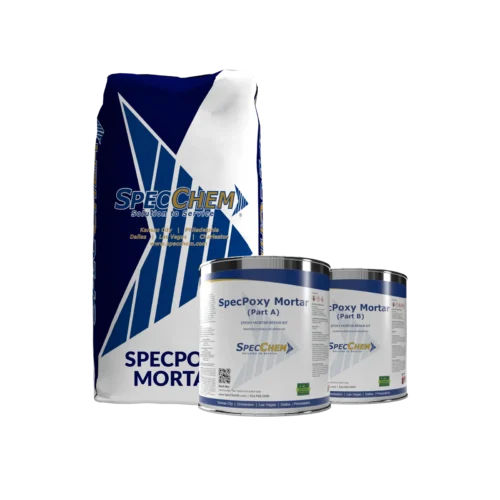
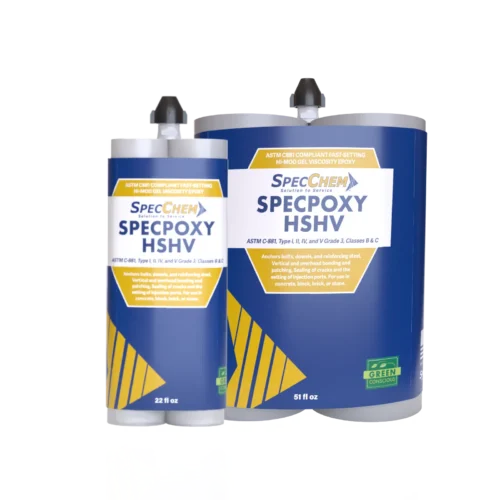
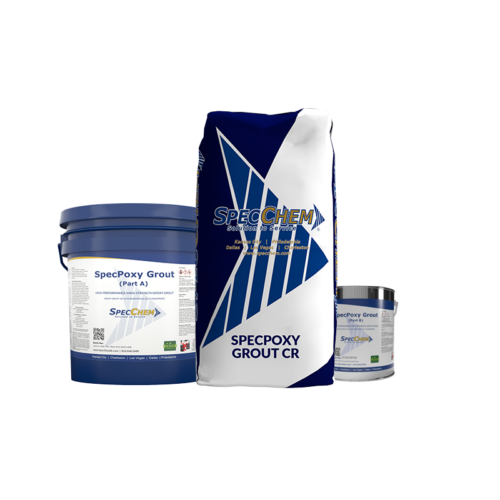
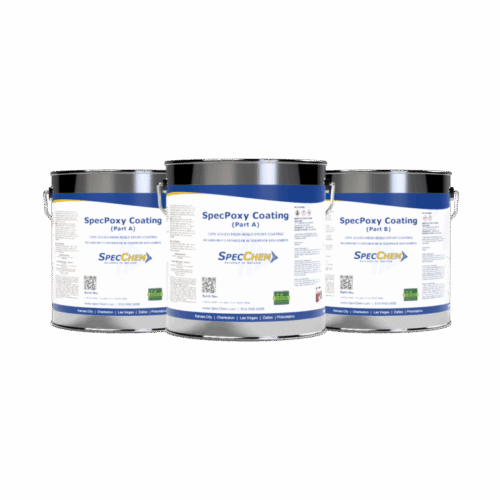
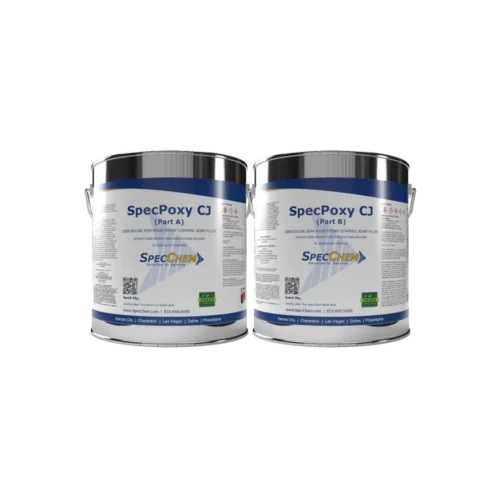
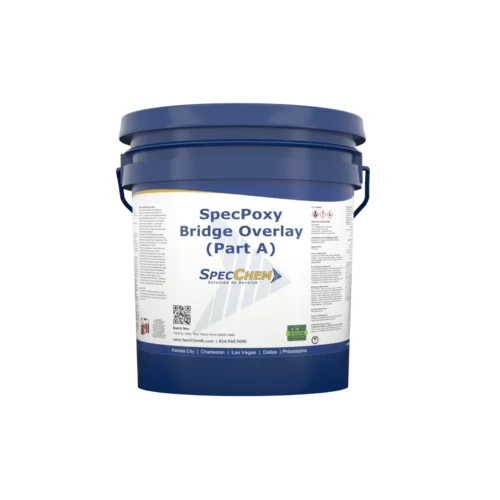
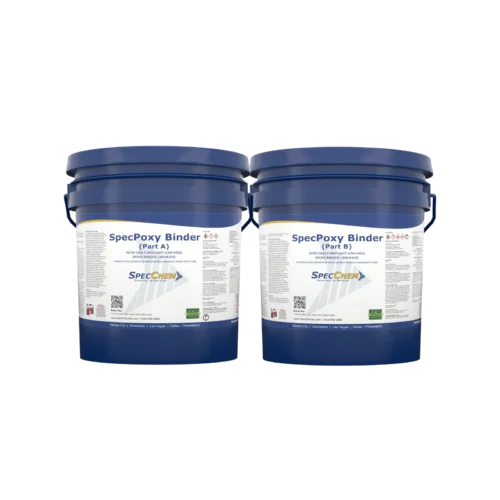
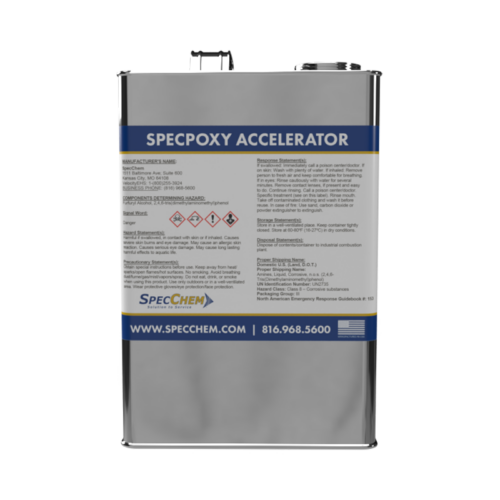
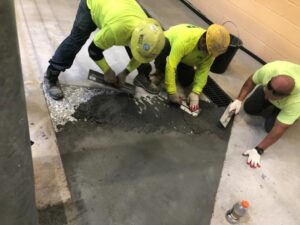
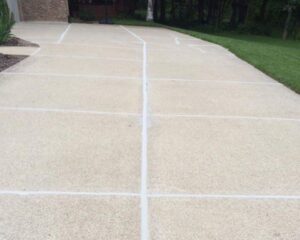
SpecChem’s Specialty Epoxies are high-performance solutions designed for demanding concrete bonding, repair, protection, and restoration applications. From structural bonding and crack injection to epoxy mortar repairs and protective floor systems, these products help contractors and specifiers choose solutions built for strength, durability, and long-term performance. Specialty epoxy applications often involve high-traffic areas, structural requirements, chemical exposure, or tight return-to-service timelines. SpecChem offers epoxy products formulated to help reduce project risk by improving adhesion, resisting wear, supporting repairs, and protecting concrete surfaces in commercial, industrial, and infrastructure environments.

  • Strong Adhesion: Supports reliable bonding to properly prepared concrete, steel, and other approved substrates.
  • High-Strength Performance: Designed for demanding repair, bonding, grouting, and structural applications.
  • Chemical & Abrasion Resistance: Helps protect concrete surfaces exposed to traffic, impact, and harsh service conditions.
  • Repair Versatility: Suitable for crack injection, epoxy mortar repairs, overlays, joint nosing repair, and protective applications.
  • Reduced Project Risk: Provides proven epoxy solutions that help improve durability, limit failures, and support long-term performance.
  • Fast Return to Service: Select products offer fast-setting performance to help reduce downtime on active jobsites.

Explore The Lineup

Product Solutions

Answers Made Simple

Frequently Asked Questions


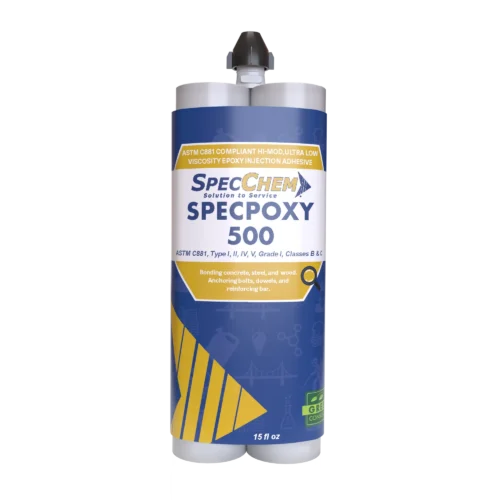
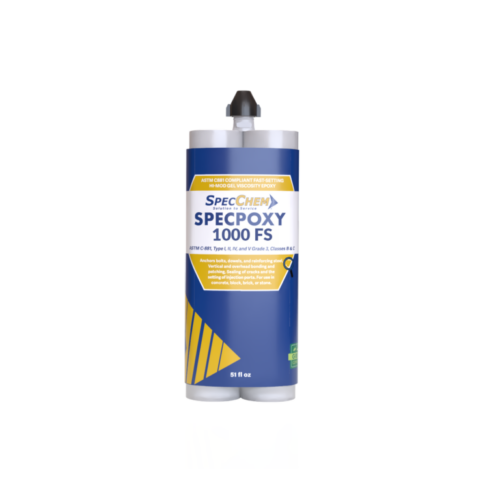
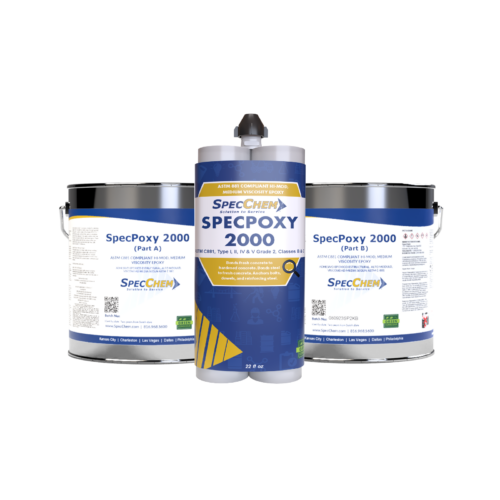
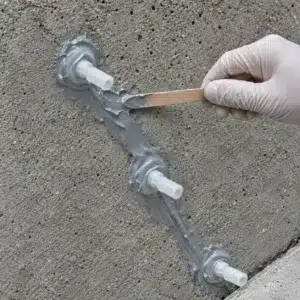
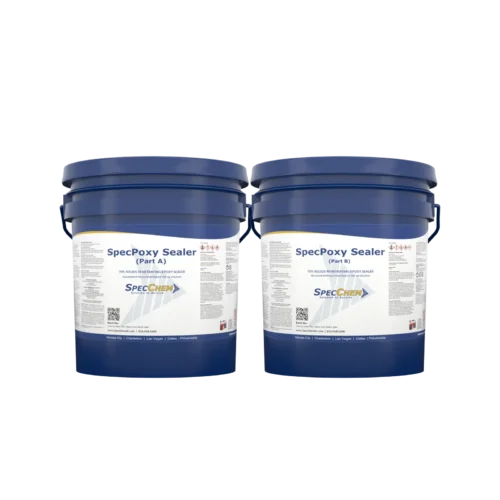
Specialty epoxies are used for bonding new concrete to hardened concrete, filling and injecting cracks, anchoring bolts and dowels, patching damaged areas, setting injection ports, and creating epoxy repair mortars. SpecChem offers products for each viscosity and application range, including SpecPoxy 500, SpecPoxy 1000, SpecPoxy 2000, and SpecPoxy 3000.

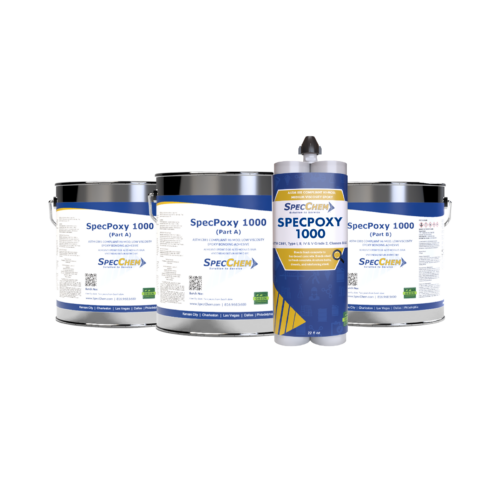
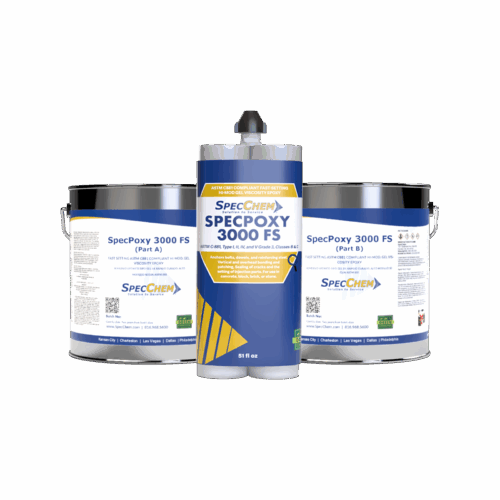
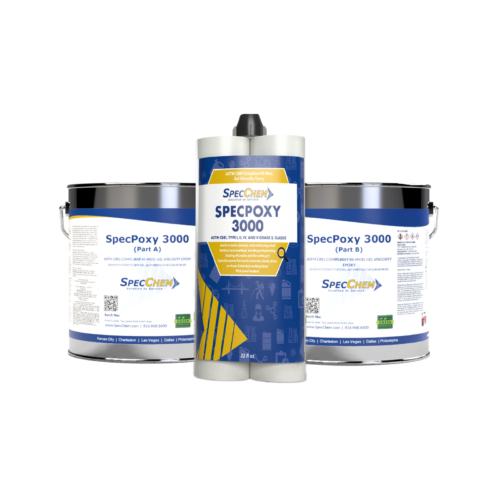
Low-viscosity epoxies such as SpecPoxy 500 and SpecPoxy 1000 penetrate narrow cracks and are suited to gravity-feed or pressure-injection applications. SpecPoxy 2000 provides medium viscosity for bonding, anchoring, and general structural repairs. Gel products such as SpecPoxy 3000 and SpecPoxy 3000 FS are non-sag materials used on vertical and overhead surfaces. This low-, medium-, and gel-viscosity structure closely matches competitor epoxy lines.

Choose according to crack width, application orientation, required working time, temperature, and whether the material must flow or remain in place. Use SpecPoxy 500 or SpecPoxy 1000 for penetrating cracks and low-viscosity bonding; SpecPoxy 2000 for medium-viscosity bonding and anchoring; and SpecPoxy 3000 for non-sag vertical, overhead, and gap-filling work. SpecPoxy 3000 FS is the faster-setting option when rapid strength gain is needed.

Epoxy is often selected when the repair requires high bond strength, low permeability, chemical resistance, anchoring performance, or structural crack bonding. Cement-based mortars are generally better suited to larger-volume repairs where compatibility with the surrounding concrete, vapor transmission, and similar thermal movement are important. The cause, depth, movement, and exposure of the repair should be evaluated before choosing between a SpecPoxy product and a cementitious SpecChem repair mortar.

Certain SpecChem epoxies are moisture-tolerant or moisture-insensitive and may bond to properly prepared damp concrete, but standing water, contamination, and saturated conditions must still be addressed. Product selection should follow the specific data sheet. Moisture-tolerant bonding to damp cracks and structural materials is also a major feature of comparable Sika and Euclid epoxy systems.

Concrete should be sound, clean, and free of oil, grease, dust, laitance, curing compounds, coatings, and loose material. Cracks should be opened or cleaned as required, and steel or other bonding surfaces should be free of rust, scale, and contamination. Proper preparation allows products such as SpecPoxy 1000, SpecPoxy 2000, and SpecPoxy 3000 to achieve the intended bond.

High-modulus epoxies are rigid and transfer loads efficiently, making them appropriate for structural bonding, anchoring, and stable crack repair. Lower-modulus products provide more flexibility where limited thermal or structural movement is expected.

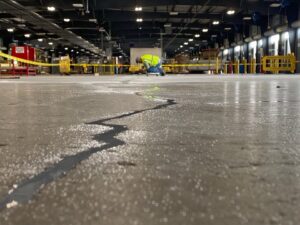
Rigid structural epoxies are intended primarily for stable, nonmoving cracks where restoring continuity and load transfer is required. An active crack may reopen beside or through the repair if movement continues. Moving cracks and expansion joints generally require a flexible sealant or another system designed to accommodate movement rather than a rigid SpecPoxy bonding adhesive.

Cure time depends on the specific product, temperature, quantity mixed, and application thickness. Standard-set products provide more working time, while fast-set options such as SpecPoxy 3000 FS are designed for faster strength gain and shorter turnaround. Lower temperatures generally slow curing, while warmer conditions shorten pot life and working time.

Structural epoxy bonding and crack-repair products are commonly classified under ASTM C881 and AASHTO M 235. The applicable type, grade, and class identify the intended use, viscosity, and installation-temperature range. Project specifications should be matched to the specific SpecPoxy product data sheet rather than assuming every epoxy meets the same classification. Competitor epoxy pages prominently organize product selection around these standards.

Learn by Watching

Product Videos


Articles & Blog Posts

SpecPros Content


Subscribe to SpecPros

Get our industry-leading expert content right in your inbox