Product Resource Page

Paving Curing Compounds

What You Need To Know

Product Overview


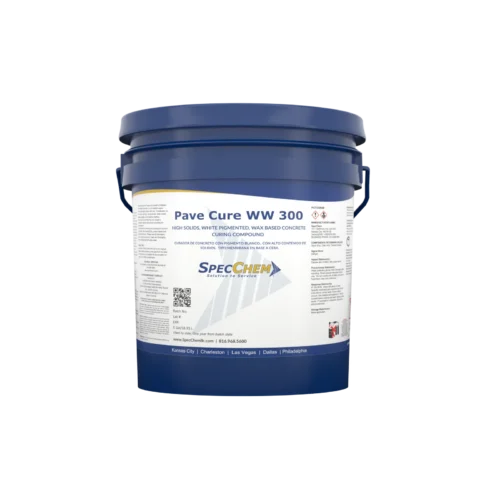
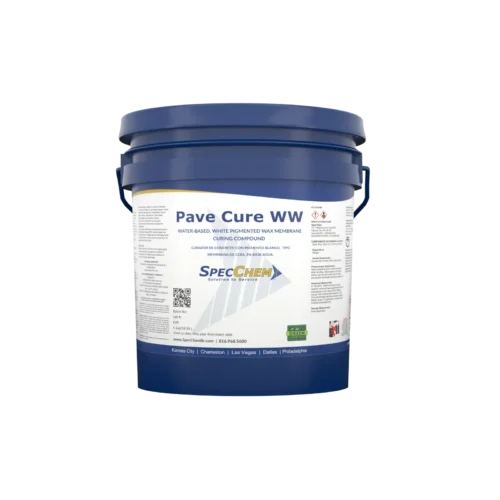
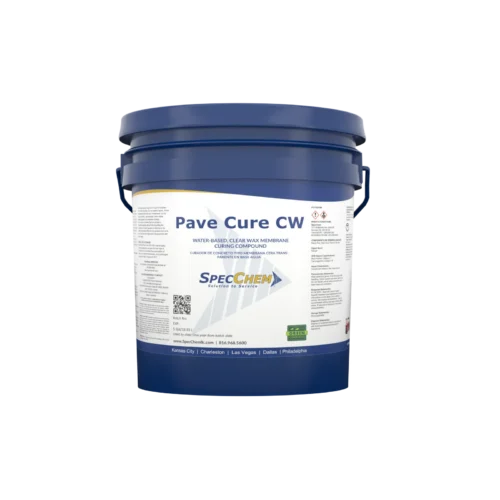
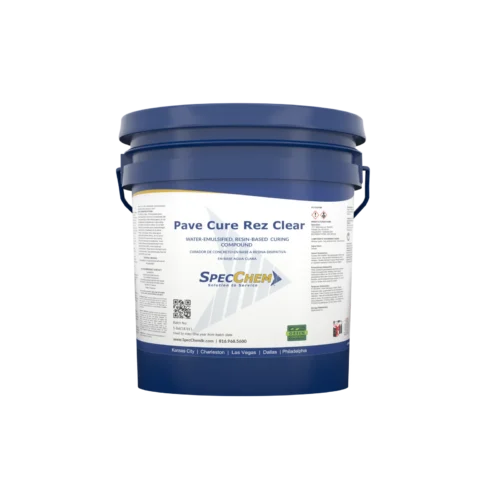
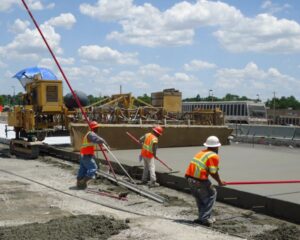
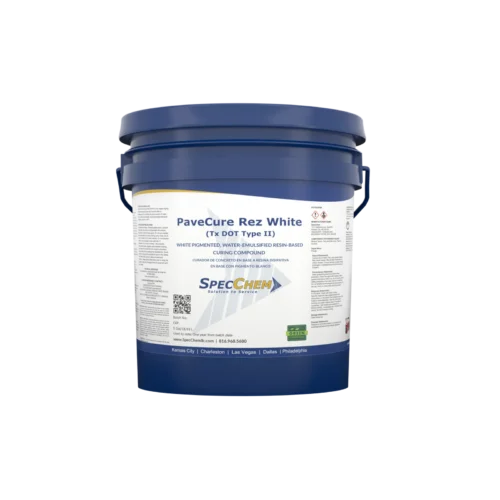
SpecChem’s Paving Curing Compounds are the ideal solution for achieving strong and durable concrete surfaces. Our high-solids, wax and water-based compounds, such as Pave Cure WW, create a continuous membrane that controls the curing process. With the added benefit of white pigment, these compounds reflect the sun’s rays, preventing excessive heat buildup and keeping the concrete surface cooler. Perfect for highways, airports, streets, and curb paving applications, our paving curing compounds meet ASTM C309, Type 2, Class A standards and are DOT approved. Trust SpecChem for reliable and compliant paving curing compounds that ensure proper curing and long-lasting results.

  • Controls curing for strong and durable concrete
  • Provides high reflectivity for improved visibility
  • Reflects the sun’s rays to prevent excessive heat buildup
  • Easy to spray and V.O.C. compliant
  • Enhances performance and increases compressive strength
  • Reduces shrinkage and “plastic shrinkage cracks”

Explore The Lineup

Product Solutions

Answers Made Simple

Frequently Asked Questions


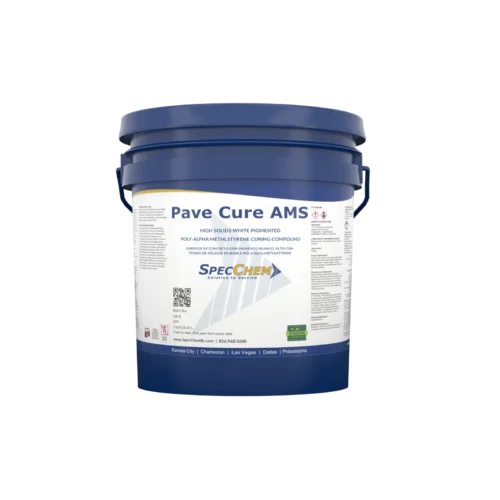
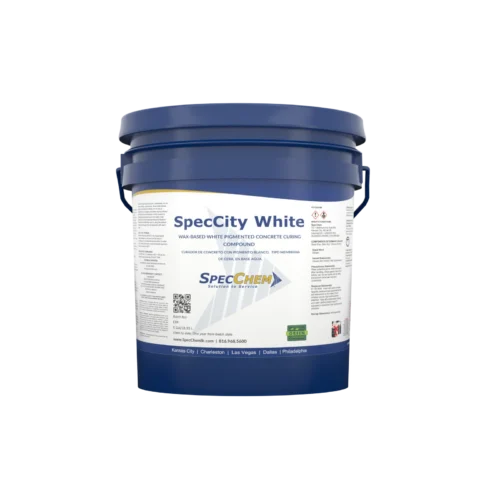
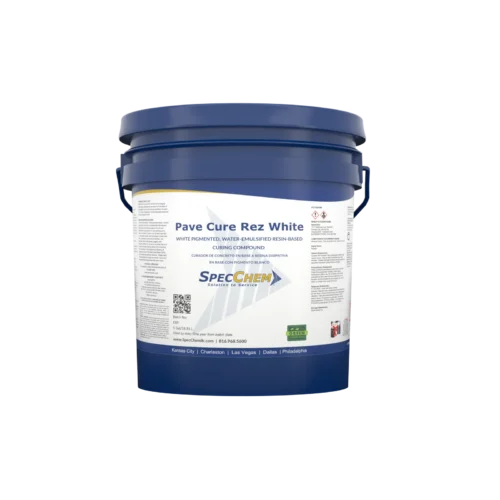
A paving curing compound is applied to freshly placed concrete to form a continuous membrane that reduces moisture loss during hydration. Products such as Pave Cure WW, Pave Cure CW, Pave Cure Rez, Pave Cure Rez White, Pave Cure AMS, and SpecCity White help reduce shrinkage cracking while supporting compressive strength, wear resistance, and long-term durability.

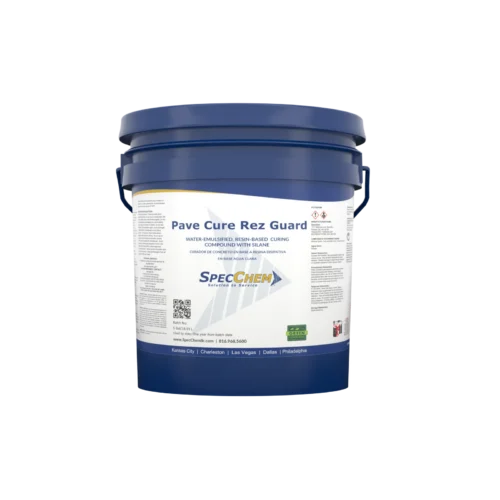
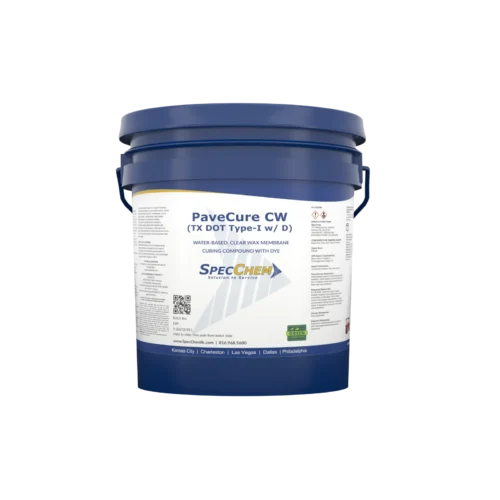
Consider the project specification, required ASTM type, DOT approval, desired color, membrane chemistry, weather exposure, and whether the membrane should remain or dissipate. Pave Cure WW is a white-pigmented wax cure, Pave Cure CW is available as a clear wax cure, Pave Cure Rez is a dissipating resin cure, and Pave Cure AMS is a white-pigmented poly-alpha-methylstyrene cure for demanding exterior paving.

White-pigmented products reflect sunlight, helping limit surface-temperature buildup and making application coverage easier to inspect. They are commonly specified for highways, airports, bridge decks, and other exposed paving. Clear or fugitive-dye products may be selected where a white surface is not desired or where the project requires an ASTM Type I cure. Pave Cure WW is white pigmented, while Pave Cure CW is available in clear and clear-with-dye versions.

Wax-based products such as Pave Cure WW and Pave Cure CW form a moisture-retaining membrane for exterior paving. Resin-based products such as Pave Cure Rez and Pave Cure Rez White also control moisture loss but are designed to dissipate through weathering and UV exposure when a temporary membrane is preferred. Product selection should follow the paving specification and any planned surface treatments.

Paving cures are commonly specified under ASTM C309 and AASHTO M 148, with the required type and class based on pigment and resin performance. SpecChem’s paving products include Type I clear and Type II white-pigmented options, and many are approved by state departments of transportation. For example, Pave Cure Rez meets ASTM C309 and AASHTO M 148 Type I, Classes A and B.

Apply it as soon as finishing is complete, the surface sheen or bleed water has disappeared, and the concrete is firm enough that application equipment or personnel will not mar the surface. Delayed application can allow premature moisture loss and reduce curing effectiveness. Pave Cure CW specifically calls for application once the surface is clean, free of water, and able to support the applicator.

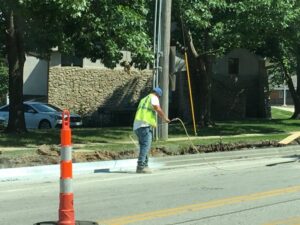
Use a manual sprayer, power sprayer, or paving train to apply a continuous, uniform coat at the product’s specified coverage rate. Avoid skips, thin areas, puddles, and excessive overlap. Water-based and pigmented materials should be thoroughly agitated before and during application so wax, resin, or pigment remains evenly dispersed. Pave Cure Rez, for example, is applied at approximately 200–300 sq ft per gallon.

White pigment and other solids can settle during storage and use. Proper agitation keeps the formulation uniform so the finished membrane provides consistent coverage, reflectivity, and moisture retention. Inadequate mixing may produce streaks, uneven color, thin curing areas, or inconsistent performance.

Hot, dry, sunny, or windy conditions increase evaporation and make prompt, uniform application especially important. Cold temperatures may slow drying, while rain before the membrane has formed can wash away or disrupt the coating. Protect water-based products from freezing and inspect the surface after severe weather to determine whether retreatment is needed.

It depends on the product and the next construction step. Wax or permanent membranes may interfere with coatings, adhesives, overlays, striping, or penetrating treatments and may require removal. A dissipating cure such as Pave Cure Rez gradually breaks down through weathering and UV exposure, typically beginning after approximately four to six weeks, but the surface should still be evaluated and prepared before another material is installed.

Learn by Watching

Product Videos


Articles & Blog Posts

SpecPros Content


Subscribe to SpecPros

Get our industry-leading expert content right in your inbox